Overview
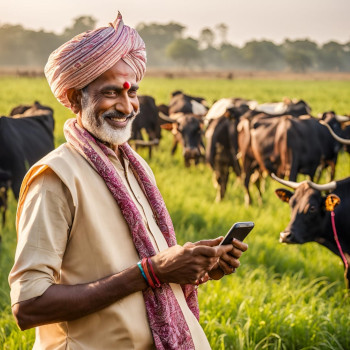
For most Indian farmers, livestock is the family's biggest asset and main source of income, yet a single accident, disease outbreak or natural calamity can wipe it out overnight. A buffalo worth ₹1,20,000 lost to disease, or a few goats killed in a flood, can erase months or years of savings. Livestock insurance exists to soften that blow by paying compensation when an insured animal dies from a covered cause, within the policy terms. Despite this protection, many farmers stay uninsured because the process feels confusing or far away. Pashushala makes it simple. You can submit a livestock insurance enquiry for cows, buffaloes, goats and sheep in just a few minutes by entering your animal and contact details, after which the team guides you to suitable plans. Several government schemes also subsidise the premium for eligible farmers, making cover more affordable than people expect. By treating insurance as part of the whole livestock journey, alongside buying, feed, health and advisory, Pashushala helps farmers protect their hard-earned assets and farm with peace of mind.
What Livestock Insurance Is
Livestock insurance is a policy that protects the financial value of your animals against loss. In return for a premium, the insurer agrees to pay compensation, usually based on the animal's assessed market value, if it dies from a covered event during the policy period. Covered events typically include death due to accident, disease, fire, flood, lightning and other natural calamities, and sometimes surgical operations, though exact inclusions and exclusions vary by insurer and plan. The insured animal is usually identified with an ear tag and recorded with a photograph and veterinary health certificate at the start of the policy. Cows, buffaloes, goats and sheep can all be insured. It is important to understand that insurance covers loss of the animal, not routine vet bills or normal ageing. Reading the policy document for the sum insured, premium, covered causes and claim process is essential. Pashushala helps you start this process simply through a guided enquiry.
Why Insurance Matters for Indian Farmers
Livestock farming carries real risk because animals are living assets exposed to disease, accidents and weather. For a small farmer, the loss of even one high-value cow or buffalo can mean lost daily milk income, an unpaid loan and a hole in family finances that takes years to recover. Goat and sheep keepers can lose several animals at once in an outbreak or flood. Insurance converts that sudden, large shock into a small, predictable premium, keeping the farm financially stable. It also makes lenders more comfortable, since many bank and NABARD livestock loans expect the financed animal to be insured. Government schemes under the National Livestock Mission and state programs often subsidise a large part of the premium for eligible farmers, making cover surprisingly affordable. By protecting the asset that earns daily income, insurance lets farmers invest and grow with confidence instead of fearing one bad event. Pashushala helps make this protection accessible.
Key Things to Check in a Policy
Before insuring an animal, check a few key points so there are no surprises at claim time. Confirm the sum insured matches the animal's fair market value, since both over and under insurance cause problems. Read which causes of death are covered and which are excluded, such as certain pre-existing conditions or specified diseases. Check the premium amount and whether any government subsidy applies to reduce it. Understand the identification requirement, usually an ear tag plus photograph and a veterinary health certificate at enrolment, and keep these safe. Note the policy period, usually one or three years, and the exact claim process and documents needed, including timely intimation and a post-mortem report. Ask about the waiting period, if any, before cover begins. Keeping ear tags intact and records ready is vital, as missing identification is a common reason claims get delayed. Pashushala's enquiry process helps you start with the right information.
Practical Tips for Hassle-Free Claims
A little discipline makes insurance claims smooth rather than stressful. At enrolment, ensure the ear tag is properly fixed and matches the photograph and policy document, and store these papers safely. Keep vaccination and treatment records up to date, as they show the animal was cared for. If an insured animal falls seriously ill or has an accident, inform the insurer or agent quickly, since most policies require prompt intimation. In the unfortunate event of death, do not remove or lose the ear tag, arrange a post-mortem by a qualified veterinarian as required, and gather the claim form, policy copy, identification and vet reports without delay. Submit the complete claim within the time limit specified. Maintaining good animal health through proper feed, vaccination and vet care also reduces the chance of loss in the first place. Pashushala supports this with feed, ration planning and veterinary help alongside insurance.
How Pashushala Helps with Insurance
Pashushala removes the confusion and distance that keep farmers from insuring their animals. Through the livestock insurance enquiry, you can request cover for cows, buffaloes, goats and sheep in a few minutes by selecting your animal type and entering breed, age, identification and contact details. The team then reaches out to guide you toward suitable plan options and the documents needed, so you are not left navigating insurer paperwork alone. Insurance fits naturally with the rest of Pashushala: you can buy a quality animal through the marketplace, feed it well using the ration calculator and Aahar store, keep it healthy with veterinary enquiries and PashuGuru, and protect its value with insurance, all from one app. The PashuGyan hub adds guidance on risk and disease. By making protection simple and connected, Pashushala helps farmers safeguard their most valuable assets with confidence.
अक्सर पूछे जाने वाले सवाल (FAQ)
What does livestock insurance cover in India?
Livestock insurance generally covers the death of the insured animal due to accident, disease, fire, flood, lightning and other natural calamities, and sometimes surgical operations. The insurer pays compensation based on the animal's assessed market value, within the policy terms. Coverage and exclusions vary by insurer and plan, so always read the policy document for exactly what is included. Insurance covers loss of the animal, not routine vet bills or normal ageing. You can insure cows, buffaloes, goats and sheep. Pashushala helps you start by submitting a simple livestock insurance enquiry.
How do I apply for cattle insurance on Pashushala?
On Pashushala, open the livestock insurance enquiry, select your animal type, and enter details such as breed, age, identification and your contact information. Submit the enquiry, and the team will reach out to guide you toward suitable plan options and explain the documents needed, such as an ear tag, photograph and veterinary health certificate. This turns a confusing process into a few simple steps you can complete from your phone, without searching for agents or visiting multiple offices.
Is livestock insurance mandatory in India?
Livestock insurance is not legally mandatory for farmers in general, but it is strongly recommended, especially for high-value dairy animals and for anyone taking a livestock loan. Many bank and NABARD financed animal purchases require the animal to be insured as a condition of the loan. Beyond such cases, insurance is voluntary but wise, since one lost animal can cause serious financial damage. Several government schemes subsidise the premium for eligible farmers, making cover affordable. Pashushala makes it easy to start with a quick insurance enquiry.
What documents are needed for livestock insurance?
Typical requirements at enrolment include an ear tag or clear identity mark on the animal, a photograph of the animal, often with the tag visible, a veterinary health certificate confirming the animal is healthy, and the farmer's identity and address proof. For a claim, you usually need the policy copy, the claim form, proof of identification and a post-mortem report by a qualified veterinarian. Exact requirements vary by insurer, so confirm them when you enrol. Pashushala's insurance enquiry helps you understand and gather what is needed for your chosen plan.
Are there government subsidies for livestock insurance?
Yes. Under the National Livestock Mission and various state animal husbandry programs, the government subsidises a significant share of the livestock insurance premium for eligible farmers, with higher support often available for small, marginal and certain category farmers. The exact subsidy percentage, animal limits and conditions vary by state and scheme, so check with your local animal husbandry office. These subsidies make cover much more affordable than farmers expect. When you submit an insurance enquiry on Pashushala, the team can help point you toward suitable, affordable plan options.
How is the claim amount decided if my animal dies?
The claim amount is based on the sum insured, which is set from the animal's assessed market value at the time the policy is taken, subject to the policy terms and any depreciation rules. It is not necessarily the full original purchase price. To receive the claim, you must report the death promptly, keep the ear tag intact, arrange a post-mortem by a qualified veterinarian where required, and submit the claim form with the policy copy and supporting documents within the time limit. Reading your policy for the exact sum insured and claim process is essential.